Summary
Table of Content

Anti-acne Dermal Patch Market
Get a free sample of this report
Form submitted successfully!
Error submitting form. Please try again.
Thank you!
Your inquiry has been received. Our team will reach out to you with the required details via email. To ensure that you don't miss their response, kindly remember to check your spam folder as well!
Request Sectional Data
Thank you!
Your inquiry has been received. Our team will reach out to you with the required details via email. To ensure that you don't miss their response, kindly remember to check your spam folder as well!
Form submitted successfully!
Error submitting form. Please try again.
Anti-acne Dermal Patch Market Size
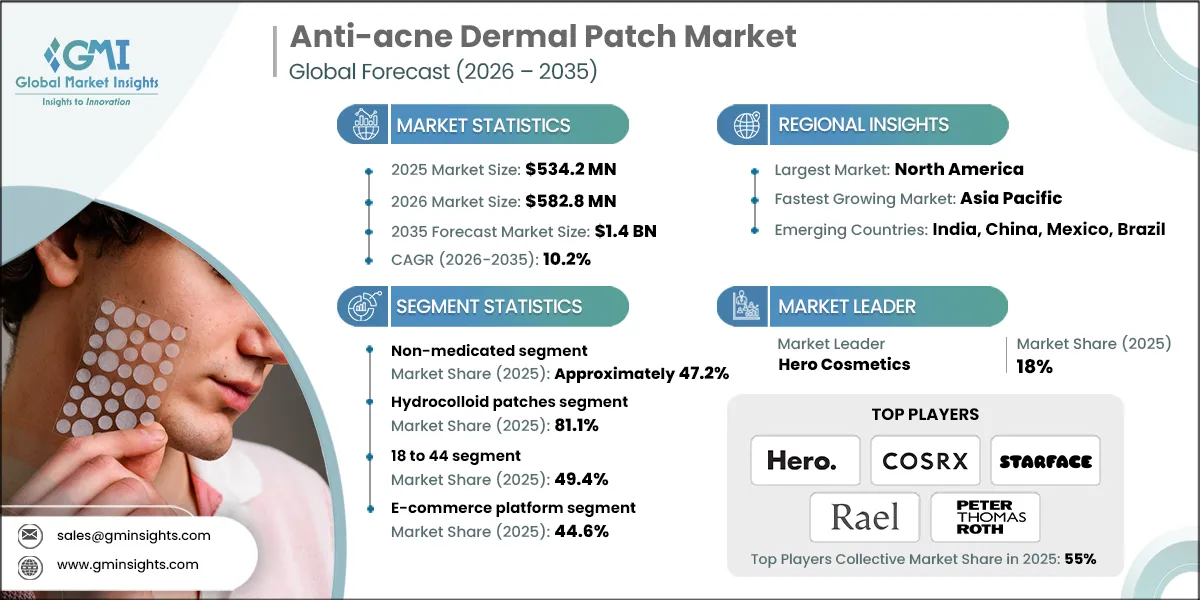
The global anti-acne dermal patch market was valued at USD 534.2 million in 2025 and is projected to grow from USD 582.8 million in 2026 to USD 1.4 billion by 2035, expanding at a CAGR of 10.2%, according to the latest report published by Global Market Insights Inc. This steady growth is driven by increasing prevalence of severe acne problems, growing focus on aesthetic appearance and rise in skincare awareness.
Anti-acne Dermal Patch Market Key Takeaways
Market Size & Growth
- 2025 Market Size: USD 534.2 Million
- 2026 Market Size: USD 582.8 Million
- 2035 Forecast Market Size: USD 1.4 Billion
- CAGR (2026–2035): 10.2%
Regional Dominance
- Largest Market: North America
- Fastest Growing Region: Asia Pacific
Key Market Drivers
- Increasing prevalence of severe acne problems.
- Growing focus on aesthetic appearance.
- Rise in skincare awareness.
- Innovation in patch technology.
Challenges
- Low capacity of single-use anti-acne dermal patch.
- Concerns regarding extractables and/or leachables.
Opportunity
- Personalized patch formulations.
Key Players
- Market Leader: Hero Cosmetics led with over 18% market share in 2025.
- Leading Players: Top 5 players in this market include Hero Cosmetics, COSRX, Starface, Rael, Peter Thomas Roth Labs LLC, which collectively held a market share of 55% in 2025.
Get Market Insights & Growth Opportunities
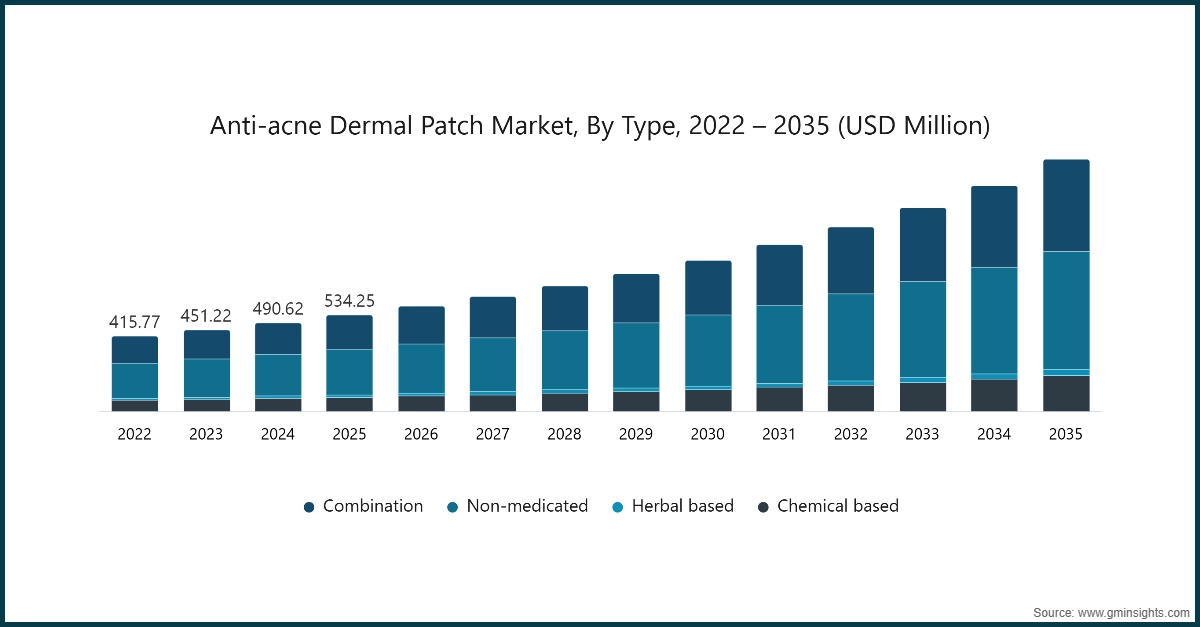
The market increased from USD 451.2 million in 2023 to USD 490.6 million in 2024. The growing prevalence of severe acne cases worldwide is a major factor driving the demand for advanced treatment solutions such as anti-acne dermal patches. According to Pierre Fabre Laboratories, one in five individuals globally suffers from acne, with an overall prevalence of 20.5%. While acne is often perceived as a mild condition, the increasing occurrence of severe and persistent forms significantly impacts quality of life, fueling the need for effective and convenient therapies. The highest prevalence is observed among adolescents and young adults aged 16–24 years, reaching 28.3%, primarily due to hormonal fluctuations and lifestyle factors. However, severe acne is no longer confined to teenagers, it remains prevalent among adults aged 25–39 years, with a rate of 19.3%, often linked to stress, diet, and environmental triggers. These chronic and severe cases frequently lead to scarring and psychological distress, creating a strong demand for targeted solutions. Anti-acne dermal patches are emerging as a preferred option for managing severe acne due to their localized treatment approach, enhanced absorption of active ingredients, and discreet application. Unlike traditional creams or oral medications, patches provide a non-invasive, easy-to-use solution that appeals to consumers seeking fast and visible results. As severe acne cases continue to rise across diverse age groups, the market for innovative, high-performance products like dermal patches is expected to expand significantly, positioning them as a critical component in modern acne management strategies.
The increasing awareness of skincare and personal grooming is a significant factor fueling the demand for anti-acne dermal patches. Consumers today are more informed about skin health, preventive care, and the long-term impact of untreated acne. This shift is driven by widespread access to dermatological information through social media, beauty influencers, and digital health platforms, which emphasize the importance of early intervention and effective treatment solutions. As individuals become more conscious of their appearance and overall well-being, there is a growing preference for products that offer convenience, efficacy, and minimal side effects. Anti-acne dermal patches align perfectly with these expectations, providing easy-to-use solution that targets acne directly without disrupting daily routines. The surge in skincare awareness is not limited to younger demographics, adults are increasingly investing in advanced skincare products to maintain healthy, blemish-free skin. This behavioral shift, combined with the influence of beauty standards and self-care culture, is expected to accelerate the adoption of anti-acne dermal patches globally.
An anti-acne dermal patch is a small, adhesive patch applied directly to acne-prone skin that helps treat pimples by absorbing excess oil and impurities, delivering active ingredients like salicylic acid or tea tree oil, and creating a protective barrier against bacteria and external irritants, thereby reducing inflammation and promoting faster healing.
To get key market trends
Anti-acne Dermal Patch Market Trends
- Technological innovations in anti-acne dermal patches have emerged as a major growth catalyst for the global market, significantly improving treatment efficacy, user comfort, and aesthetic appeal. Modern advancements in patch design and formulation are transforming acne medication worldwide. For example, leading brands such as COSRX offer ultra-thin hydrocolloid patches like the Acne Pimple Master Patch, which absorbs impurities overnight, prevent scarring, and blend seamlessly under makeup. These patches are alcohol- and paraben-free and come in multiple sizes to target different blemishes.
- Next-generation hydrocolloid patches now incorporate active ingredients such as salicylic acid, niacinamide, and tea tree oil, delivering targeted acne treatment while maintaining transparent, breathable designs suitable for daytime wear. Some brands have introduced color-matching technology and advanced layering for a discreet look. For instance, Kiehl's Truly Targeted Acne-Clearing Pimple Patch uses liquid-to-film technology similar to micro-dart delivery, infused with 2% salicylic acid to reduce redness within 2 hours and shrink pimples in 24 hours.
- Innovations such as micro-dart technology enable deeper penetration of actives, accelerating treatment for cystic and severe acne compared to traditional creams. Additionally, manufacturers are prioritizing sustainability by using biodegradable hydrocolloid materials and recyclable packaging, aligning with global environmental standards. These advancements not only enhance adhesion and bioavailability but also offer multifunctional benefits like scar prevention and oil control, positioning acne patches as a superior alternative to conventional treatments worldwide.
Anti-acne Dermal Patch Market Analysis
Learn more about the key segments shaping this market
The anti-acne dermal patch market is segmented into chemical-based, herbal-based, non-medicated, and combination formulations. In 2025, the non-medicated segment accounted for approximately 47.2% of the overall market share, reflecting strong consumer preference for multi-functional solutions that integrate both active and natural components.
- The market has experienced robust growth in recent years, fueled by increased awareness of skincare routines and the rising incidence of acne across diverse age groups worldwide. Anti-acne patches have emerged as a convenient, non-invasive treatment option, offering targeted relief without the complexity of oral medications or elaborate topical regimens. Among the available categories, chemical-based patches continue to dominate due to their clinically proven effectiveness and faster results compared to herbal alternatives.
- Chemical-based patches typically feature active compounds such as salicylic acid, hydrocolloid layers, and other synthetic agents engineered to penetrate the skin and address acne at its root cause. These formulations help reduce inflammation, absorb excess sebum, and accelerate the healing process, making them highly effective for localized treatment of breakouts.
- Salicylic acid remains the most widely utilized ingredient in these products, owing to its keratolytic properties that promote exfoliation and unclogging of pores. Certain formulations also incorporate benzoyl peroxide or silicone-based materials to enhance adhesion and optimize ingredient delivery. By concentrating treatment on specific problem areas, these patches minimize irritation and mitigate systemic side effects commonly associated with oral therapies.
- Patches with therapeutic claims or active pharmaceutical ingredients fall under stricter medical device or drug regulations, requiring additional clinical validation and certification. This regulatory structure ensures product safety and efficacy, further driving market growth.
Based on technology, the anti-acne dermal patch market is classified into silicone-based patches, hydrocolloid patches, and other technologies. The hydrocolloid patches segment accounted for 81.1% market share in 2025.
- Hydrocolloid patches are advanced dermal solutions designed to treat acne by creating a moist healing environment. These patches contain hydrocolloid material that absorbs excess fluid, oil, and impurities from the skin while forming a protective barrier against external contaminants. This technology not only accelerates the healing process but also prevents further irritation, making it highly effective for managing mild to moderate acne lesions.
- Its popularity stems from the dual benefits of functionality and convenience users appreciate the discreet, easy-to-apply format and the ability to wear patches throughout the day without disrupting daily routines. Additionally, the rising trend and preference for non-invasive treatments has further boosted demand for hydrocolloid-based solutions, positioning this technology as a dominant force in the market.
- For instance, COSRX Acne Pimple Master Patch is a hydrocolloid-based acne care solution designed to absorb impurities, protect affected areas, and promote faster healing. The patch creates a moist environment that accelerates recovery while preventing external contamination, making it ideal for treating active breakouts discreetly and effectively.
- As consumer awareness and preference for simple yet effective solutions continue to rise, hydrocolloid technology is expected to maintain its leadership position and drive sustained market expansion.
Based on age group, anti-acne dermal patch market is classified into 10 to 17, 18 to 44, 45 to 64, and 65+. The 18 to 44 segments accounted for 49.4% market share in 2025.
- The age group of 18 to 44 years represents the largest consumer segment in the global anti-acne dermal patch industry. Acne remains highly prevalent among teenagers, young adults, and mature adults within this range, making them the key drivers of demand. This demographic is highly conscious of appearance and skin health, seeking fast, effective, and discreet solutions to manage breakouts without resorting to invasive procedures or oral medications.
- Consumers in this age bracket are digitally engaged and strongly influenced by social media trends, beauty influencers, and dermatologist recommendations. They favor products that combine convenience with visible results, such as patches that can be worn during the day or overnight without disrupting daily routines. E-commerce platforms and online beauty retailers are their preferred shopping channels, as they value accessibility, authentic reviews, and brand transparency.
- The lifestyle of this demographic characterized by busy schedules, exposure to pollution, and frequent use of cosmetics contributes to recurring acne flare-ups, reinforcing the need for targeted solutions like dermal patches.
- The 18–44 age group’s demand for effective, convenient, and tech-driven skincare solutions positions them as a critical growth factor for the market. Their purchasing behavior, shaped by digital influence and lifestyle needs, ensures sustained adoption and drives innovation across product categories.
Learn more about the key segments shaping this market
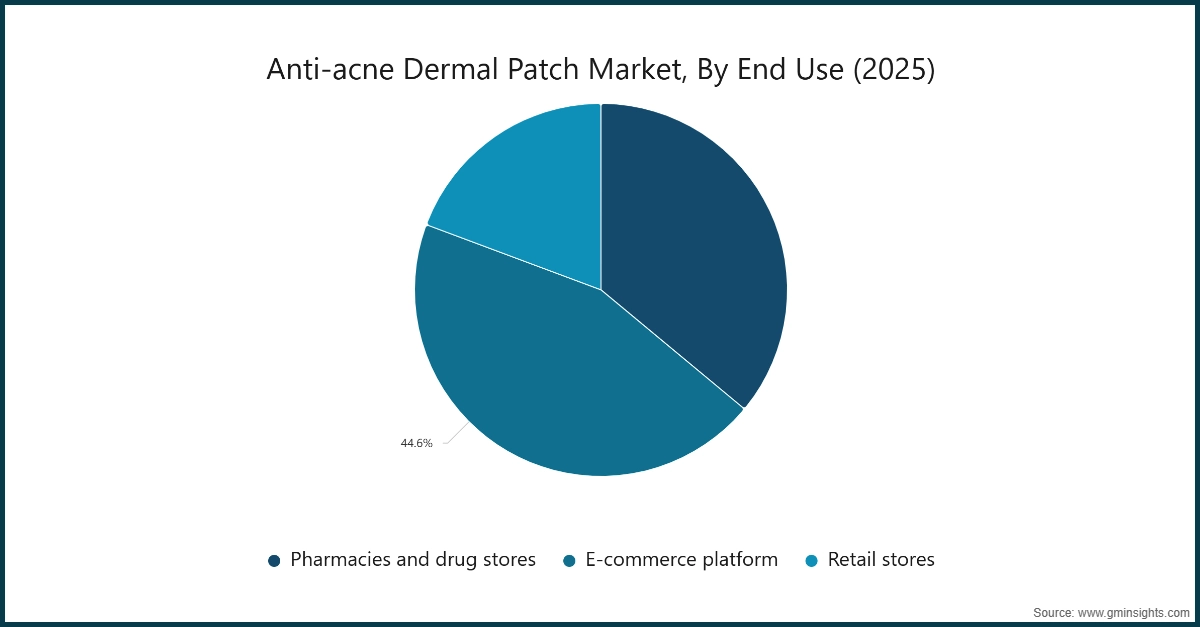
Based on distribution channel, anti-acne dermal patch market is classified into pharmacies and drug stores, e-commerce platform, and retail stores. The e-commerce platform segment accounted for 44.6% market share in 2025.
- The rapid expansion of e-commerce is driven largely by the convenience and accessibility it offers, allowing consumers to explore, compare, and purchase anti-acne dermal patches anytime without visiting physical stores.
- This is especially attractive to digitally savvy users aged 18–44 who prioritize ease and time efficiency. Online marketplaces also provide access to a broader selection of products, including innovative, niche, and international brands that may not be available in local retail outlets, thereby broadening consumer choices.
- Additionally, it offers discreet shopping experience important for individuals who may feel self-conscious about acne since online buying ensures privacy, with many platforms offering confidential packaging and delivery.
- Moreover, the rise of mobile commerce and secure digital payments has made the purchasing process seamless, enabling quick orders, real-time tracking, and access to discounts or subscription models. These conveniences enhance customer retention and strengthen brand loyalty. These factors collectively make online channels increasingly dominant in the acne care ecosystem.
Looking for region specific data?
North America Anti-acne Dermal Patch Market
The North America region accounted for 40% of the market in 2025. The anti-acne dermal patch industry in North America is experiencing robust expansion, driven by the technological advancements.
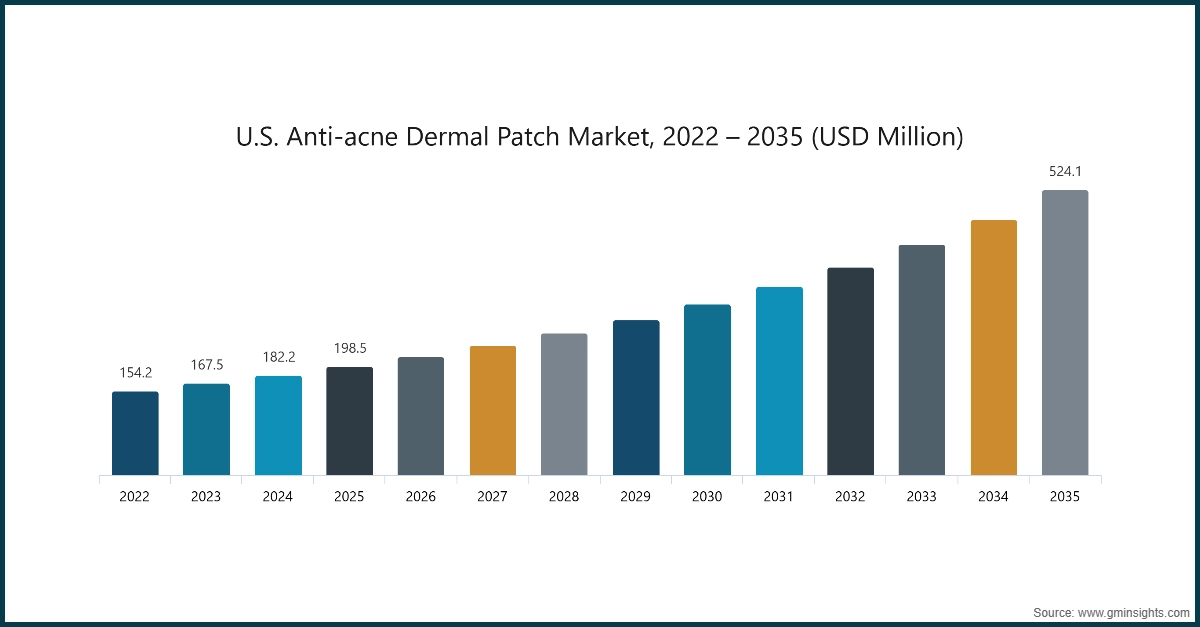
- The U.S. market was valued at USD 154.2 million and USD 167.5 million in 2022 and 2023, respectively. The market size reached USD 198.5 million in 2025, growing from USD 182.2 million in 2024.
- The rising incidence of severe acne in the U.S. is a critical factor driving demand for advanced treatment solutions such as anti-acne dermal patches.
- For instance, According to the American Academy of Dermatology, acne is the most common skin condition in the country, affecting up to 50 million Americans annually. While mild acne is widespread, severe and persistent forms are increasingly prevalent, leading to physical discomfort, scarring, and significant psychological impact.
- Severe acne cases often require targeted and effective treatment approaches beyond conventional creams or oral medications. Anti-acne dermal patches have gained popularity as they offer localized delivery of active ingredients, faster healing, and reduced risk of scarring. These patches are particularly appealing to consumers seeking non-invasive, convenient, and discreet solutions that fit into busy lifestyles.
- As the prevalence of severe acne continues to rise across diverse age groups, the U.S. market is expected to witness robust growth in innovative dermal patch solutions.
Europe Anti-acne Dermal Patch Market
Europe market accounted for USD 149.6 million in 2025 and is anticipated to show lucrative growth over the forecast period.
- The growing prevalence of severe acne conditions across Europe is emerging as a major factor driving demand for advanced treatment solutions such as anti-acne dermal patches. Recent research published in the British Journal of Dermatology indicates that the burden of acne vulgaris has steadily increased across all socio-demographic regions between 1990 and 2021. Western Europe reports the highest impact, with an age-standardized prevalence of 14,584 cases per 100,000 population, an incidence rate of 7,806 per 100,000, and a DALY (Disability-Adjusted Life Year) rate of 312.3 per 100,000, underscoring the significant health and social implications of this condition.
- The increasing occurrence of severe acne cases, particularly in Western Europe, is fueling consumer demand for effective, convenient, and discreet treatment options. Anti-acne dermal patches, with their ability to deliver targeted therapy, prevent scarring, and blend seamlessly with the skin, are becoming a preferred solution.
- As severe acne continues to affect millions across Europe, the market for innovative dermal patch products is expected to experience rapid growth.
Germany's anti-acne dermal patch market is projected to experience steady growth between 2026 and 2035.
- Germany’s growing emphasis on health and skincare awareness is a key factor driving the adoption of anti-acne dermal patches. Consumers in Germany increasingly invest in preventive and corrective skincare solutions that offer proven efficacy, reflecting a strong preference for quality and safety. This trend is supported by trusted retail channels such as pharmacies, drugstores, and specialty beauty outlets, which remain primary points of access for dermatologically tested products. At the same time, e-commerce platforms have gained traction by enabling discreet purchases and convenient home delivery—an important consideration given the gradual decline in Germany’s pharmacy network.
- Additionally, demographic factors such as an aging population experiencing adult acne and rising health-conscious behavior contribute to sustained market growth.
- The combination of omnichannel accessibility, strong consumer trust in regulated products, and heightened skincare awareness positions Germany as a robust market for innovative anti-acne dermal patches.
Asia Pacific Anti-acne Dermal Patch Market
The Asia Pacific region is projected to show a lucrative growth of about 10.7% during the forecast period.
- Innovation in patch technology is a key growth catalyst for the Asia-Pacific anti-acne dermal patch industry, as manufacturers introduce advanced designs and formulations tailored to diverse consumer needs. The region’s strong beauty and skincare culture, combined with rising disposable incomes and digital influence, has created a fertile ground for high-performance, aesthetically appealing acne solutions.
- Additionally, sustainability is becoming a priority, with manufacturers adopting biodegradable hydrocolloid materials and eco-friendly packaging, appealing to environmentally conscious consumers in markets such as Australia and India.
- Combined with omnichannel availability through e-commerce and specialty beauty stores, these technological advancements position anti-acne dermal patches as a superior alternative to traditional treatments, driving robust growth across Asia-Pacific.
Japan anti-acne dermal patch market is poised to witness lucrative growth between 2026 – 2035.
- Japan’s beauty-conscious culture places strong emphasis on clear, flawless skin, making aesthetic appeal a key factor in acne treatment choices. Consumers prefer solutions that not only treat acne effectively but also maintain a natural look.
- Anti-acne dermal patches meet these expectations with ultra-thin, transparent designs that blend seamlessly under makeup. Features like color-matching technology and breathable layers allow discreet use, aligning with Japan’s preference for subtle and elegant skincare solutions.
- This growing focus on appearance is expected to drive strong market growth in Japan.
Latin America Anti-acne Dermal Patch Market
Brazil is experiencing significant growth in the market
- Acne remains one of the most common skin conditions in Brazil, and the growing incidence of severe cases is fueling demand for advanced treatment solutions. Factors such as high humidity, pollution, and lifestyle habits contribute to persistent and severe acne among adolescents and adults alike.
- Anti-acne dermal patches offer targeted delivery of active ingredients, faster healing, and discreet application, making them an attractive alternative to traditional creams and oral medications.
- As awareness of skin health rises and severe acne continues to impact millions, Brazilian consumers are increasingly turning to innovative solutions like hydrocolloid patches with actives such as salicylic acid and tea tree oil. This trend is expected to stimulate market growth in the country’s anti-acne dermal patch industry.
Middle East and Africa Anti-acne Dermal Patch Market
- Consumers are increasingly prioritizing skincare as part of their health and wellness routines, driven by rising awareness of acne management and preventive care. This trend is supported by growing exposure to global beauty standards which emphasize clear and healthy skin.
- Anti-acne dermal patches align with these preferences by offering effective, convenient, and discreet solutions for acne treatment. Their ability to deliver targeted therapy without disrupting daily routines appeals to consumers seeking modern, non-invasive options that fit into busy lifestyles.
- As skincare awareness continues to rise, Saudi Arabia is expected to witness robust demand for innovative anti-acne dermal patches that combine efficacy with aesthetic appeal.
Anti-acne Dermal Patch Market Share
- The leading companies in the anti-acne dermal patch industry include Hero Cosmetics, COSRX, Starface, Rael, and Peter Thomas Roth Labs LLC, collectively accounting for a 55% market share of the global market.
- These leaders are focusing on technological innovation to enhance treatment efficacy, user comfort, and aesthetic appeal. Companies are investing in advanced hydrocolloid patches, micro-dart delivery systems, and patches infused with active ingredients like salicylic acid, niacinamide, and tea tree oil. These innovations enable targeted acne treatment, faster healing, and scar prevention, while maintaining ultra-thin, transparent designs suitable for day and night use.
- Through strategic partnerships, acquisitions, and global expansion, leading brands are strengthening their presence in emerging and developed markets. Collaborations with dermatologists, skincare clinics, and e-commerce platforms are improving accessibility and consumer trust. This approach ensures wider product availability, faster market penetration, and alignment with regional skincare trends, particularly in Asia-Pacific and Latin America where demand for non-invasive acne solutions is rising.
- The focus on digital integration, sustainability, and regulatory compliance is shaping the future of this market. Brands are adopting eco-friendly hydrocolloid materials, recyclable packaging, and AI-driven personalization tools to meet consumer expectations for safety and environmental responsibility. These advancements not only improve product performance but also cater to growing demand for customized, clinically effective, and aesthetically appealing acne solutions, positioning dermal patches as a superior alternative to traditional treatments.
Anti-acne Dermal Patch Market Companies
Few of the prominent players operating in the anti-acne dermal patch industry include:
- Peter Thomas Roth Labs LLC
- Rael
- 3M
- Starface
- DermaAngel
- Hero Cosmetics
- Sephora USA, Inc
- Peach & Lily
- COSRX
- Alba Botanica
- Eurosirel Spa
- L’Oreal
- Kenvue
- Galderma
· Rael
Rael positions itself as a clean beauty brand offering gentle yet effective acne solutions. Its focus on transparency, skin-friendly formulations, and educational content resonates with health-conscious consumers. Strategic distribution across online and offline channels enhances accessibility, supporting steady market expansion.
Peter Thomas Roth emphasizes premium skincare solutions, leveraging its dermatology-inspired expertise to deliver high-quality acne patches. The brand’s commitment to performance and credibility appeals to consumers seeking trusted, science-driven products. Its presence in specialty retail and strong brand equity contribute to its influence in the segment.
· L’Oréal
L’Oréal utilizes its global scale and R&D capabilities to integrate acne patches into broader skincare portfolios. The company’s strong distribution network, marketing resources, and dermatologist-backed positioning enable rapid adoption across diverse markets. Its ability to innovate and localize offerings reinforces leadership in the evolving acne care category.
Anti-acne Dermal Patch Market Report Attributes
| Key Takeaway | Details |
|---|---|
| Market Size & Growth | |
| Base Year | 2025 |
| Market Size in 2025 | USD 534.2 Million |
| Market Size in 2026 | USD 582.8 Million |
| Forecast Period 2026-2035 CAGR | 10.2% |
| Market Size in 2035 | USD 1.4 Billion |
| Key Market Trends | |
| Drivers | Impact |
| Increasing prevalence of severe acne problems | Drives higher demand for effective and fast-acting acne patch solutions |
| Growing focus on aesthetic appearance | Boosts consumer adoption of discreet, skin-friendly patches for visible skin improvement |
| Rise in skincare awareness | Expands the user base as consumers seek convenient, clinically backed acne-care options |
| Innovation in patch technology | Accelerates market growth by introducing more advanced, targeted, and high-efficacy products |
| Pitfalls & Challenges | Impact |
| Low capacity of single-use anti-acne dermal patch | Limits therapeutic effectiveness, reducing consumer satisfaction and repeat purchases |
| Concerns regarding extractables and/or leachables | Creates safety and regulatory hurdles that can slow product adoption and market expansion |
| Opportunities: | Impact |
| Personalized patch formulations | Enables tailored treatments, attracting premium consumers and opening high‑value, niche market segments. |
| Market Leaders (2025) | |
| Market Leader |
18% market share |
| Top Players |
Collective market share is 55% in 2025 |
| Competitive Edge |
|
| Regional Insights | |
| Largest Market | North America |
| Fastest growing market | Asia Pacific |
| Emerging countries | India, China, Mexico, Brazil |
| Future outlook |
|
What are the growth opportunities in this market?
Anti-acne Dermal Patch Industry News:
- In August 2023, Kenvue completed its separation from Johnson & Johnson, becoming a fully independent company. Johnson & Johnson retained a minority stake after an exchange offer that was significantly oversubscribed. Kenvue also anticipated joining the S&P 500 index before trading opened later that month. Kenvue is the world’s largest pure-play consumer health company by revenue. Built on more than a century of heritage, its iconic brands include Aveeno, BAND-AID, Brand Adhesive Bandages, Johnson’s, Listerine, Neutrogena, and Tylenol.
The anti-acne dermal patch market research report includes an in-depth coverage of the industry with estimates and forecast in terms of revenue in USD Billion and from 2022 – 2035 for the following segments:
Market, By Type
- Chemical based
- Herbal based
- Non-medicated
- Combination
Market, By Technology
- Silicone-based patches
- Hydrocolloid patches
- Other technologies
Market, By Age group
- 10 to 17
- 18 to 44
- 45 to 64
- 65+
Market, By Distribution channel
- Pharmacies and drug stores
- E-commerce platform
- Retail stores
The above information is provided for the following regions and countries:
- North America
- U.S.
- Canada
- Europe
- Germany
- UK
- France
- Italy
- Spain
- Netherlands
- Asia Pacific
- China
- India
- Japan
- Australia
- South Korea
- Latin America
- Brazil
- Mexico
- Argentina
- Middle East and Africa
- Saudi Arabia
- South Africa
- UAE
Frequently Asked Question(FAQ) :
What is the anti-acne dermal patch market size in 2025?
The market size for anti-acne dermal patch was valued at USD 534.2 million in 2025. Increasing prevalence of severe acne problems, growing focus on aesthetic appearance, and rising skincare awareness are driving market growth.
What is the market size of the anti-acne dermal patch industry in 2026?
The market size for anti-acne dermal patches reached USD 582.8 million in 2026, reflecting steady growth supported by innovation in patch technology and expanding consumer adoption.
What is the projected value of the anti-acne dermal patch market by 2035?
The market size for anti-acne dermal patches is expected to reach USD 1.4 billion by 2035, growing at a CAGR of 10.2%. This growth is fueled by advancements in patch technology, increasing demand for personalized formulations, and rising awareness of skincare solutions.
What was the market share of the non-medicated segment in 2025?
The non-medicated segment accounted for approximately 47.2% of the market share in 2025. This reflects strong consumer preference for multi-functional solutions that combine active and natural components.
What was the valuation of the hydrocolloid patches segment in 2025?
The hydrocolloid patches segment held an 81.1% market share in 2025, making it the dominant technology category. Its leadership is driven by its effectiveness in absorbing impurities and promoting faster healing.
What is the growth outlook for the 18 to 44 age group segment from 2025 to 2034?
The 18 to 44 age group segment accounted for 49.4% of the market share in 2025 and is expected to witness sustained growth through 2034. This is attributed to the high prevalence of acne in this demographic and their preference for convenient, effective skincare solutions.
Which region leads the anti-acne dermal patch market?
North America led the market in 2025, accounting for 40% of the global market share. The region's dominance is driven by technological advancements, high consumer awareness, and strong adoption of innovative skincare products.
What are the upcoming trends in the anti-acne dermal patch industry?
Key trends include the development of IoT-based patches with built-in sensors for real-time skin metric tracking, personalized patch formulations, and the integration of advanced materials for enhanced efficacy. The rise of e-commerce platforms and influencer-driven marketing is also shaping the market landscape.
Who are the key players in the anti-acne dermal patch market?
Key players include Hero Cosmetics, COSRX, Starface, Rael, and Peter Thomas Roth Labs LLC. These companies are driving market growth through product innovation, strong digital engagement, and consumer-centric marketing strategies.
Anti-acne Dermal Patch Market Scope
Related Reports