Summary
Table of Content

Compression Therapy Market
Get a free sample of this report
Form submitted successfully!
Error submitting form. Please try again.
Thank you!
Your inquiry has been received. Our team will reach out to you with the required details via email. To ensure that you don't miss their response, kindly remember to check your spam folder as well!
Request Sectional Data
Thank you!
Your inquiry has been received. Our team will reach out to you with the required details via email. To ensure that you don't miss their response, kindly remember to check your spam folder as well!
Form submitted successfully!
Error submitting form. Please try again.
Compression Therapy Market Size
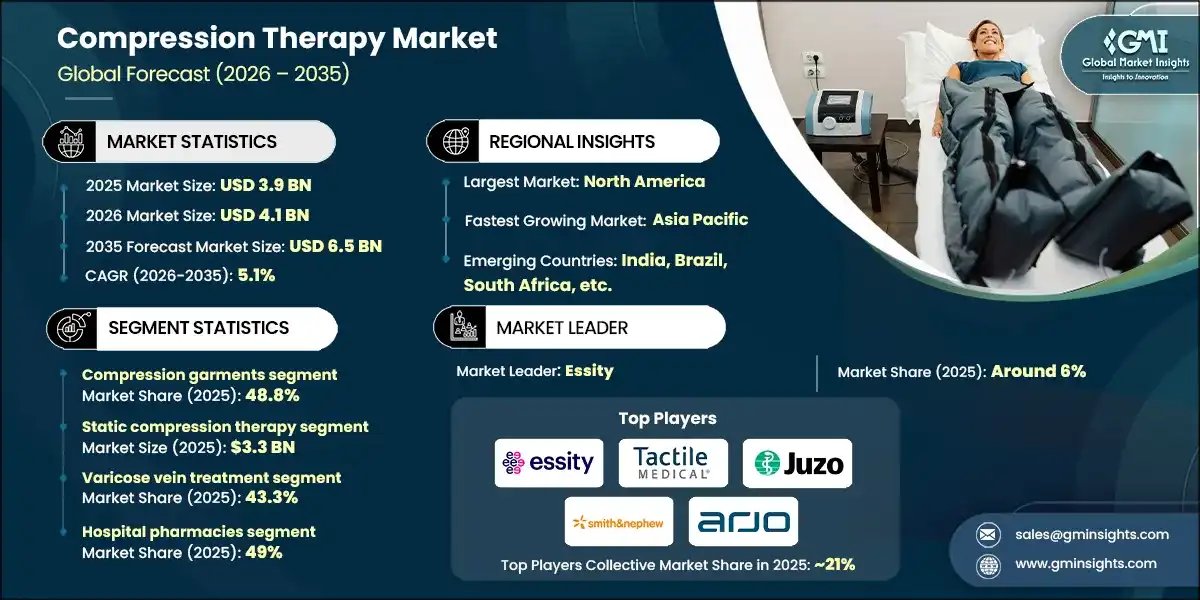
The global compression therapy market was estimated at USD 3.9 billion in 2025. The market is expected to grow from USD 4.1 billion in 2026 to USD 6.5 billion in 2035, at a CAGR of 5.1% during the forecast period, according to the latest report published by Global Market Insights Inc. The market is driven by numerous factors such as the rising prevalence of venous disorders, growing awareness among the patients regarding the availability of different treatment options, increase in the number of sports injuries and accidents, and recent technological advancements, among other factors.
To get key market trends
Expansion of home healthcare solutions, growing demand for non-invasive treatment options, and a surge in the number of orthopedic and post-surgical procedures are among the key factors propelling industry demand. Tactile Medical, essity, Juzo, Smith+Nephew, and Arjo are among the leading players operating in the market. These players mainly focus on product innovation and affordability, geographic expansion, use of novel materials, integration of advanced technologies in devices, and collaboration with local or regional healthcare providers, among others.
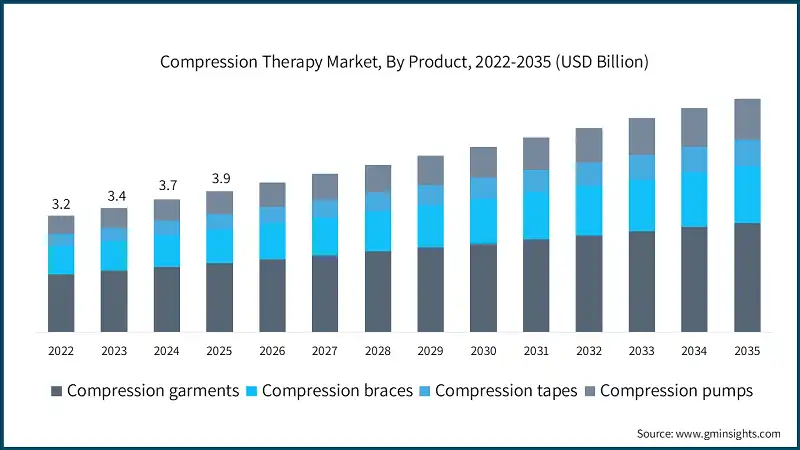
The market has increased from USD 3.2 billion in 2022 and reached USD 3.7 billion in 2024, with a historic growth rate of 6.7%. One of the key factors supporting the market growth is the rise in the number of sports-related injuries, as athletes sustain many sports injuries, including muscle strains, torn ligaments, and joint injuries. For instance, according to the data reported by the National Safety Council, there was an increase of 17% in 2024 in the number of sports and recreational injuries in the U.S. compared to 2023 statistics. The number of injuries reached around 0.56 million in 2024 from approximately 0.48 million injuries in 2023. These injuries require proper rehabilitation. Compression therapy can help minimize swelling and improve blood flow while speeding up the healing process.
Athletes and physical therapists prefer compression therapy because it provides faster relief. The rise in popularity of both professional and recreational sports may further result in an increase in the number of injured players. The increase in the use of compression therapies to promote healing and increase mobility will continue to provide consistent growth in the expansion of the compression therapy market within the medical and sports medicine markets.
The rise in lifestyle disorders, obesity, and aging population has resulted in a notable surge in the incidence of venous diseases, such as chronic venous insufficiency, varicose veins, and lymphedema. The use of compression therapy as the first-line treatment of these diseases helps increase blood flow and reduce venous pressure. Thus, as the incidence and burden of venous diseases surge, this in turn is fueling the rise in demand for the use of compression garments and devices in clinical and home environments. In addition, the use of compression garments as a preventive measure by people at risk of developing complications from venous disease may continue to increase over the analysis period.
Technology has changed the process of receiving therapy through compression equipment and how patients experience therapy through the use of smart garment sensors that allow healthcare professionals to track patient pressure and compliance levels in real-time.The use of novel fabrics has increased airflow and withstands frequent washing and wearing, as a result, improving the level of comfort for patients, resulting in greater acceptance and application of compression technology. Intelligent portable pneumatic devices that patients can use at home are much more convenient for patients and allow them to take advantage of the various therapeutic benefits of compression therapy. As technology continues to evolve, it is creating new growth opportunities and strengthening the market’s competitive edge.
Compression therapy is a medical technique that applies controlled pressure to limbs or body parts using garments or devices to improve blood flow, reduce swelling, and support vascular health.
Compression Therapy Market Report Attributes
| Key Takeaway | Details |
|---|---|
| Market Size & Growth | |
| Base Year | 2025 |
| Market Size in 2025 | USD 3.9 Billion |
| Market Size in 2026 | USD 4.1 Billion |
| Forecast Period 2026 - 2035 CAGR | 5.1% |
| Market Size in 2035 | USD 6.5 Billion |
| Key Market Trends | |
| Drivers | Impact |
| Increase in the number of sports injuries and accidents | Compression therapy is widely adopted for faster recovery and swelling reduction in athletes, driving consistent demand in sports medicine and rehabilitation sectors. |
| Surge in orthopedic and post-surgical procedures | Post-operative care often includes compression garments to prevent complications like DVT, making hospitals and clinics key contributors to market growth. |
| Rising prevalence of venous disorders | Chronic venous insufficiency and varicose veins are increasingly common, creating a steady need for compression solutions in both preventive and therapeutic care. |
| Growing awareness among patients regarding treatment options | Educational campaigns and digital health platforms have improved patient knowledge, boosting acceptance and compliance with compression therapy products. |
| Recent technological advancements | Smart compression systems and breathable fabrics enhance comfort and monitoring, attracting both healthcare providers and patients seeking modern, effective solutions. |
| Pitfalls & Challenges | Impact |
| Availability of alternative treatments | Surgical interventions and pharmacological therapies compete with compression therapy, limiting its adoption among patients seeking quicker or permanent solutions. |
| Reduced compliance due to wearer discomfort | Bulky designs and heat retention discourage long-term use, especially in warmer climates, impacting overall treatment adherence. |
| Side effects associated with the use of compression therapy | Skin irritation and improper pressure application can lead to complications, making healthcare professionals cautious in recommending these products. |
| Opportunities: | Impact |
| Development of smart textiles and IoT-enabled compression wear | Connected garments will enable real-time pressure monitoring and remote patient management, transforming compression therapy into a personalized, tech-driven solution with robust growth potential. |
| Market Leaders (2025) | |
| Market Leaders |
Around 6% |
| Top Players |
|
| Competitive Edge |
|
| Regional Insights | |
| Largest Market | North America |
| Fastest Growing Market | Asia Pacific |
| Emerging countries | India, Brazil, South Africa, etc. |
| Future outlook |
|
What are the growth opportunities in this market?
Compression Therapy Market Trends
Smart compression technologies, a focus on comfort and aesthetics, home-based care expansion, growing awareness of preventive care, and rising demand for e-commerce and direct-to-consumer channels are among the key trends shaping the market growth.
- With the integration of sensor technology and connected devices, compression garments are changing how we deliver care to patients. Through real-time monitoring of pressure coupled with patient adherence to application, these smart devices may improve the overall effectiveness of treatment and decrease the incidence of complications associated with the use of compression clothing. The growing trend for smart, personalized, and evidence-based healthcare solutions aligns with increased consumer demand for such types of products.
- In addition, manufacturers have a keen focus on developing comfortable and aesthetic compressive garments made of lightweight, breathable materials that encourage patients to use their garments regularly. This combination of therapeutic value, along with comfort and attractiveness, may open a market opportunity for manufacturers with an appeal to the young population and athletes who want to utilize these products to enhance their sporting performance.
- Further, as the cost of healthcare rises and patients seek greater convenience, home compression therapy is becoming increasingly popular. Portable pneumatic devices and simple-to-use garments allow patients to manage chronic conditions at home, reducing the need for in-person hospital visits and increasing access to care for patients living in rural communities.
- Compression garments and accessories are reaching consumers through online platforms. The notable rise in this delivery mode is due to increased consumer awareness, competitive pricing, and the convenience of having their products delivered directly to their doors, making it easier for manufacturers to target a wider range of consumers in comparison to brick-and-mortar providers. The rise in e-commerce portals is expected to further fuel the product demand in the coming years.
Compression Therapy Market Analysis
Learn more about the key segments shaping this market
In 2022, the market was valued at USD 3.2 billion and grew to USD 3.4 billion in 2023, reaching USD 3.7 billion by 2024. Increased awareness and educational campaigns on vascular health and broader insurance coverage for compression therapy are among the key variables contributing to industry growth.
Based on product, the global compression therapy market is segmented into compression garments, compression braces, compression tapes, and compression pumps. The compression garments segment accounted for a majority share of 48.8% in 2025. Increasing number of cases of lymphedema and DVT is anticipated to fuel the segmental growth. The segment is expected to reach USD 3 billion by 2035, growing at a CAGR of 4.6% during the forecast period.
- Compression garments are commonly used for the treatment of venous disorders, lymphedema, and recovery after surgery. They include stockings, sleeves, and tights that apply graduated pressure. The highest pressure is applied at the ankle and then decreases moving up the leg.
- A compression garment's primary function is to support blood flow, decrease swelling, and prevent blood clots. Modern designs of compression garments have been developed with an emphasis on comfort, breathability, and aesthetics to improve patient adherence to treatment instructions.
- Compression garments come in a variety of compression strengths and sizes, which accommodate both clinical and preventive indications. Increased use of compression garments in sports recovery and wellness has led to an increase in their popularity and widespread availability worldwide.
- The compression braces segment was valued at USD 939.6 million in 2025. Compression braces are specialized orthopedic braces and supports designed to stabilize and support weak or injured joints. They provide targeted compression to stabilize the joint, decrease swelling, and increase mobility.
- Additionally, compression braces can be used in a variety of ways, including the prevention of injuries during sporting activities, rehabilitation, and recovery from injuries, including chronic conditions.
- Compression braces provide both health benefits and ease of use, making them a valuable segment in both the medical and fitness markets. They have become increasingly popular among athletes and those with chronic joint issues, such as arthritis. Compression braces with advanced designs often include breathable materials and adjustable straps and provide a greater level of comfort.
- The compression pumps segment is anticipated to record the fastest growth with a CAGR of 5.9% over the forecast period. Pneumatic compression pumps are devices used to administer intermittent and sequential pressure to a person's upper or lower extremities. Their primary usage is for the treatment of severe lymphedema and venous insufficiency.
- The pneumatic compression devices work by having inflatable sleeves attached to a pump that pumps air through them at intervals, which simulates the action of muscle contractions and encourages the drainage of fluids from the affected extremities.
- In addition, compression pumps have also been widely used in clinical settings as well as home health care for the treatment of different chronic conditions. The latest technological advancements have resulted in the availability of portable, user-friendly devices that include programmable options for customizing a patient's individualized treatment plan.
- Further, compression pumps are considered an essential clinical resource when it is necessary to provide patients with more intensive treatment than garments. By using pneumatic compression pumps, patients can enhance their quality of life with respect to their chronic or advanced vascular disorders.
Based on technology, the global compression therapy market is segmented into static compression therapy and dynamic compression therapy. The static compression therapy segment accounted for a leading share and was valued at USD 3.3 billion in 2025.
- Static compression therapy refers to maintaining continuous and external pressure through garments, bandages, and wraps on the skin over the areas affected by chronic disorders. It is the most common method for improving drainage from the body's surface to the lymph nodes or back to the heart. Static compression is also used in postoperative settings and for increasing blood flow to extremities following an injury or an amputation.
- In addition, the ability to maintain consistent external pressure in the long term with static compression makes it the preferred choice for managing these conditions. It is also a cost-effective way to treat a medical condition that affects a person's limbs.
- With modern static compression products being designed for maximum comfort and breathability, patients are more likely to comply with treatment recommendations. As a result, static compression is considered an effective compression therapy option and is also regarded as the easiest and most efficient method of applying compression therapy worldwide.
- The dynamic compression therapy segment is anticipated to record the fastest growth with a CAGR of 5.6% over the forecast period. Dynamic compression therapy utilizes pneumatic devices that apply sequential or intermittent cycles of air pressure to imitate muscle contractions naturally. These devices are utilized primarily for the treatment of patients who suffer from severe lymphedema, post-operative recovery, and venous insufficiency.
- Dynamic devices are able to better facilitate the drainage of lymphatics and enhance blood flow than traditional static methods of compression, which makes them suitable for both clinical applications and sophisticated home care settings.
- Further, the growing popularity of dynamic compression therapy stems from its ability to afford superior outcomes for patients with vascular disease and to provide effective treatment to patients who require more aggressive intervention.
Based on application, the global compression therapy market is segmented into varicose vein treatment, deep vein thrombosis treatment, lymphedema treatment, leg ulcer treatment, and other applications. The varicose vein treatment segment accounted for a majority share of 43.3% in 2025.
- A common form of non-invasive treatment for varicose veins is compression therapy. Varicose veins occur due to the deterioration of vein valves, which leads to blood pooling. Graduated compression stockings exert controlled pressure on the leg, improving venous return and reducing symptoms (swelling, pain, heaviness) associated with varicose veins.
- Regularly wearing compression stockings may help prevent varicose vein development from progressing and reduce the chance of developing complications from varicose veins (such as ulcers). Due to sedentary lifestyles and an aging population, the prevalence of varicose veins is increasing, leading to growing demand for garments and devices used for compression therapy.
- In addition, patients prefer to use compression therapy because it is affordable and easy to use, compared with the expense and rehabilitation associated with surgical options. Thus, compression therapy remains an integral component of effectively managing venous disorders.
- The deep vein thrombosis treatment segment held a revenue of USD 576.6 million in 2025. The use of compression therapy is an important component of both the prevention and the treatment of DVT (a condition characterized by blood clots developing in the deep veins of the leg), as graduated compression garments can increase the efficiency of blood flow and reduce venous stasis, thereby decreasing the potential risk of developing a DVT.
- Additionally, postsurgical patients and patients with limited mobility frequently wear compression stockings, as well as use pneumatic pumps, while in the hospital setting. The combination of compression therapy with anticoagulant medications is frequently advocated as the preferred method for treating DVT patients.
- Further, as the number of patients travelling for extended periods of time or being hospitalized has risen, so has the awareness of the risk associated with DVT and increased usage of compression therapy, making it an essential part of vascular health.
- The lymphedema treatment segment held a revenue of USD 705.5 million in 2025. Lymphedema is defined as an accumulation of fluid and swelling caused by problems with drainage from the lymphatic system, which necessitates continual management for patients. Compression therapy is one of the preferred methods that do not require surgery for treating lymphedema patients, as it reduces swelling via the use of compression garments and pneumatic pumps, thereby allowing lymph to flow more freely.
- Static compression garments are ideal for patients with mild to moderate lymphedema and are also the most used, whereas dynamic pumps are used primarily in patients with severe or chronic lymphedema.
- Moreover, home therapy options are becoming popular with patients, allowing them to have better access to their treatments and achieve greater compliance with the recommended therapy regimen.
Learn more about the key segments shaping this market
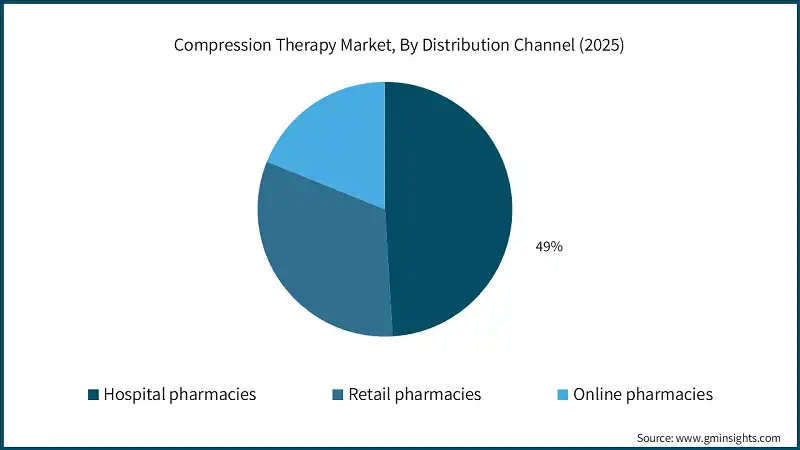
Based on distribution channel, the compression therapy market is segmented into hospital pharmacies, retail pharmacies, and online pharmacies. The hospital pharmacies segment accounted for the leading market share of 49% in 2025.
- A common method of supplying compression therapy items is through hospital pharmacy businesses, including patients with deep vein thrombosis (DVT), lymphedema, and those who have undergone a surgical procedure. Hospital pharmacies allow patients to receive compression therapy garments, braces, or pneumatic devices upon discharge from the hospital. Additionally, hospital pharmacists offer advice regarding the best compression therapy products and how to properly use them, leading to increased adherence and improved health outcomes.
- Further, the retail pharmacy segment was valued at USD 1.3 billion in 2025. Retail pharmacies serve outpatient customers and those interested in compression therapy either preventively or for long-term management of conditions such as mild lymphedema and varicose veins.
- Customers prefer the convenience of being able to purchase their compression garments and braces without having to visit a hospital or other healthcare facility. They also often find that retail pharmacies carry a wide selection of sizes and compression levels, so consumers are offered a range of options. Increased physician recommendations and consumer awareness have further contributed to higher sales through the retail pharmacy channel.
- Additionally, retail pharmacy chains and their partnerships with e-commerce providers further expand the reach of retail pharmacy locations, offering growth opportunities, both in urban and semi-urban markets.
Looking for region specific data?
North America Compression Therapy Market
North America market accounted for majority share of 32.1% in 2025 in the global market and is anticipated to show notable growth over the forecast period.
- With the highest incidence of venous disorders, deep vein thrombosis (DVT), and lymphedema, along with numerous other conditions, North America has a leading share of the market. The region benefits from advanced healthcare infrastructure, strong reimbursement policies, and widespread adoption of non-invasive treatments.
- Aging populations and rising obesity rates further fuel demand for compression garments and pneumatic devices. For example, as reported by the Centers for Disease Control and Prevention (CDC), the prevalence of obesity in adults in the U.S. during the period from August 2021 to August 2023 was 40.3%. The statistics also highlighted that there was no major difference observed between men's and women's obesity rates.
- The growing number of technological advances may benefit the sector, including a new category of smart systems for compression, along with new telehealth options that allow patients to maintain closer interactions with healthcare providers.
- Additionally, the increase in sports-related injuries and orthopedic surgeries is expected to drive continued growth in the regional market.
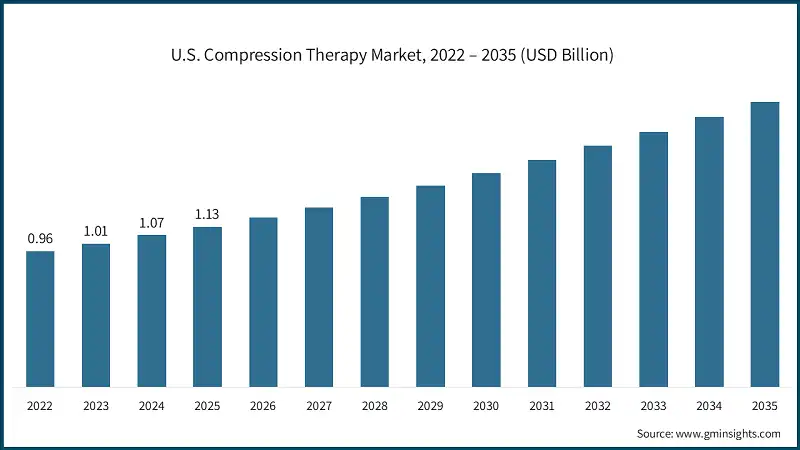
The U.S. compression therapy market was valued at USD 0.96 billion and USD 1.01 billion in 2022 and 2023, respectively. In 2025 the market size was valued at USD 1.13 billion from USD 1.07 billion in 2024. Innovations in pneumatic compression pumps for home use in the country is projected to fuel market growth.
- The U.S. market is experiencing steady growth driven by the increased incidence of chronic venous insufficiency, varicose veins, and DVT. The large number of people suffering from lifestyle conditions such as obesity and diabetes, coupled with a rapidly aging population, further increases demand for compression therapy.
- Additionally, compression garments and pumps are used post-surgically by hospitals as well as outpatient healthcare facilities for both recovery and prevention. The rise in awareness of compression therapy and the increased availability of insurance coverage are resulting in an environment that supports patients in adopting this treatment option.
- Further, the incorporation of advanced technology such as smart textiles and IoT-enabled devices is changing traditional therapies into modernized, personalized solutions.
- Moreover, the shift towards home-based and self-care practices strengthens market outlook for all participants, providing opportunities for local companies to lead innovation in global compression therapy.
Europe Compression Therapy Market
Europe accounted for a significant share of the market and was valued at USD 1.2 billion in 2025.
- The European market is experiencing steady growth, driven by the rising elderly population, growing prevalence of venous disorders, and surging numbers of sports-related injuries. Key regional countries, such as Germany, France, and the UK, are supported by well-developed health systems, with established Clinical Practice Guidelines (CPGs) supporting compression therapy as part of the treatment for chronic conditions.
- Additionally, static compression garments are widely used in the region, whereas the adoption of dynamic pneumatic devices for the treatment of severe venous problems is witnessing substantial growth.
- Increased awareness related to disease prevention and favorable government support for chronic wound management are contributing to an increase in product sales.
- Further, advances in garment design, materials, and pressure monitoring are expected to provide better comfort and allow for increased patient compliance with the use of compression therapy. Moreover, there is a growing interest among both care providers and consumers in the development of home healthcare, with the support of telehealth and retail e-commerce distributors.
UK held significant share of the European compression therapy market, showcasing strong growth potential.
- The UK is witnessing continued growth in the market owing to increased awareness of venous disorders and a large target patient population suffering from these conditions. An aging population and an increase in the number of patients with varicose veins and lymphedema have contributed significantly to the overall market demand.
- Currently, hospitals are the most common distribution channel in the country; however, the growing adoption of retail and online pharmacies for the purchase of both preventive and long-term care products is supporting market growth.
- Additionally, developments in technology, such as the use of breathable materials and smart technology compression systems, have improved patient compliance. Further, government-sponsored initiatives supporting non-invasive treatment options and the management of chronic diseases are expected to have a positive influence on market growth.
- Moreover, the growing trend towards the use of compression therapy in sports recovery and post-operative rehabilitation is anticipated to fuel the market growth and establish the UK as a leading European provider of compression therapy products.
Asia Pacific Compression Therapy Market
The Asia Pacific market accounted for a substantial share of the market and was valued at USD 1 billion in 2025.
- Asia Pacific continues to grow at an accelerated pace compared to other regions due to improving healthcare systems, increase in the general awareness of health, and the growing aging population, among other factors. Countries such as China, India, and Japan have experienced a significant rise in the occurrence of venous disorders and lifestyle-related diseases, thus resulting in a potential market for the use of compression garments and pumps.
- Accessibility in the region is improving through government-sponsored health programs, increased health insurance offerings, and cost-effective product ranges from local manufacturers.
- In addition, the rise in the number of sports injuries and orthopedic procedures continues to fuel the product demand. The growth of e-commerce solutions and expansion of home healthcare have resulted in a significant rise in their penetration rates within the Asia Pacific region, thus propelling the market growth.
China compression therapy market is estimated to grow with a robust CAGR, in the Asia Pacific market.
- China’s market is expanding rapidly due to a growing elderly population and rising cases of venous disorders and diabetes-related complications. Urbanization and lifestyle changes have fueled the demand for preventive and therapeutic solutions.
- Hospitals remain the primary distribution channel, but e-commerce platforms are gaining significant traction, especially for compression garments.
- Additionally, technological advancements, such as smart textiles and portable pneumatic pumps, are attracting tech-savvy consumers. Government initiatives promoting chronic disease management and home healthcare adoption further support growth. With increasing awareness and product affordability, China is emerging as a key market for both traditional and advanced compression therapy solutions.
Latin America Compression Therapy Market
Brazil leads the Latin American market, exhibiting remarkable growth during the analysis period.
- Brazil’s market growth is driven by an aging population and a high prevalence of venous and lymphatic disorders. In addition, awareness campaigns and physician recommendations are improving adoption, especially in urban settings.
- Technological innovations, such as portable compression pumps and advanced garments, are gaining popularity among consumers.
- Sports-related injuries and preventive care also contribute to overall product demand. Owing to the aforementioned factors, Brazil offers strong growth potential through affordable solutions and expanding home-based care options.
Middle East and Africa Compression Therapy Market
Saudi Arabia market to experience substantial growth in the Middle East and Africa market in 2025.
- Saudi Arabia’s compression therapy market is growing steadily, fueled by lifestyle-related conditions such as obesity and sedentary habits, which increase the prevalence of venous disorders. Government investments in healthcare infrastructure and chronic disease management programs support the adoption of advanced compression solutions.
- Hospital pharmacies remain the primary distribution channel, whereas home healthcare and telemedicine are gaining traction.
- Smart compression systems and portable devices are increasingly popular for convenience and improved compliance. Thus, owing to the above-mentioned factors, the country presents significant opportunities for premium and technology-driven compression therapy solutions.
Compression Therapy Market Share
The market is fragmented in nature, with a growing number of manufacturers focused on developing novel methods to improve and innovate compression equipment and product offerings. The industry is a combination of global leaders, regional manufacturers, and local players that have a wide range of product lines available in their portfolios. These companies have a substantial presence in the industry owing to large distribution channels and partnerships with hospitals, clinics, and home healthcare providers to maintain their share of the market.
Product innovation is among the most important ways to differentiate themselves from other players in this competitive environment. Companies are investing significantly in developing technologies to enhance their product offerings and geographic expansion. A significant focus of this investment is on the development of smart garments and smart wearable devices that incorporate sensors to provide real-time monitoring of patients' conditions by utilizing technologies such as the Internet of Things (IoT) for remote patient management.
There are also a growing number of regional players and niche brands developing cost-effective solutions to address issues related to the growing demand for home-based care in developing markets. These companies are also engaging in strategic initiatives such as mergers and acquisitions and collaborations with the sports medicine and wellness industries, which enable them to increase their distribution networks and expand their available product lines.
Further, as the market shifts toward non-invasive, user-friendly solutions, companies that combine technology, affordability, and patient-centric design are expected to improve their industry position as e-commerce channels and telehealth capabilities continue to grow.
Compression Therapy Market Companies
Few of the prominent players operating in the global compression therapy industry include:
- ALCARE
- Arjo
- Bio Compression Systems
- Cardinal Health
- ConvaTec
- Enovis
- essity
- HARTMANN
- Juzo
- medi
- SANYLEG
- SIGVARIS GROUP
- Smith+Nephew
- Solventum
- Tactile Medical
- Tactile Medical
Tactile Medical prioritizes innovation in pneumatic compression devices for home healthcare. Its strategy includes patient education programs and partnerships with healthcare providers to improve compliance and expand adoption in chronic care management.
Julius Zorn leverages its expertise in high-quality compression garments, emphasizing customization and comfort. The company invests in advanced textile technology and direct-to-consumer channels to enhance accessibility and brand recognition globally.
ArjoHuntleigh targets hospital and long-term care markets with advanced pneumatic compression systems. Its strategy includes product innovation for mobility-impaired patients and strengthening service networks to ensure comprehensive care solutions.
Compression Therapy Industry News:
- In November 2024, Cardinal Health announced the U.S. launch of its Kendall SCD SmartFlow Compression System. It is the next generation of the Kendall Compression Series, offering an enhanced clinician and patient experience. This product launch may enable the company to improve its presence in the U.S. market and improve its sales prospects.
- In October 2024, Tactile Systems Technology, Inc., announced the launch and commercial availability of its next-generation pneumatic compression platform, Nimbl, throughout the U.S. for the treatment of upper extremity lymphedema. Nimbl is indicated as a treatment option for patients with both upper and lower extremity lymphedema, chronic edema, venous insufficiency, and wound healing. This development helped the company improve its position in the market through enhanced product offers catering to multiple applications.
- In April 2024, Smith+Nephew announced the launch of its RENASYS EDGE Negative Pressure Wound Therapy (NPWT) System in the U.S. as a patient-centric option for treating chronic wounds. The system is lightweight and compact, allowing the user to easily carry or wear it for daily activities. This development allowed the company to further expand its presence in the industry.
The global compression therapy market research report includes in-depth coverage of the industry with estimates and forecasts in terms of revenue in (USD Million) from 2022 - 2035 for the following segments:
Market, By Product
- Compression garments
- Compression bandages
- Compression stockings
- Compression class I
- Compression class II
- Compression class III
- Other compression garments
- Compression braces
- Compression tapes
- Compression pumps
Market, By Technology
- Static compression therapy
- Dynamic compression therapy
Market, By Application
- Varicose veins treatment
- Deep vein thrombosis treatment
- Lymphedema treatment
- Leg ulcer treatment
- Other applications
Market, By Distribution Channel
- Hospital pharmacies
- Retail pharmacies
- Online pharmacies
The above information is provided for the following regions and countries:
- North America
- U.S.
- Canada
- Europe
- Germany
- UK
- France
- Spain
- Italy
- Netherlands
- Asia Pacific
- China
- Japan
- India
- Australia
- South Korea
- Latin America
- Brazil
- Mexico
- Argentina
- MEA
- South Africa
- Saudi Arabia
- UAE
Frequently Asked Question(FAQ) :
What are the key trends shaping the global compression therapy market?
Key trends include the adoption of smart compression technologies, a focus on comfort and aesthetics in product design, the expansion of home-based care, and the growing use of e-commerce and direct-to-consumer channels.
What was the size of the U.S. compression therapy industry in 2025?
The U.S. market was valued at USD 1.13 billion in 2025, up from USD 1.07 billion in 2024, supported by innovations in home-use pneumatic compression pumps.
Which application segment dominated the global compression therapy market in 2025?
The varicose vein treatment segment led the market with a 43.3% share in 2025.
Which distribution channel held the largest share in the compression therapy industry in 2025?
Hospital pharmacies dominated the market with a 49% share in 2025.
Which region led the global compression therapy market in 2025?
North America held the largest market share of 32.1% in 2025, driven by advancements in pneumatic compression pumps and strong healthcare infrastructure.
What was the valuation of the static compression therapy segment in 2025?
The static compression therapy segment held a leading market share and was valued at USD 3.3 billion in 2025.
What was the size of the compression garments segment in 2025?
The compression garments segment accounted for a 48.8% market share in 2025 and is projected to reach USD 3 billion by 2035, growing at a CAGR of 4.6% during the forecast period.
What is the projected value of the global compression therapy market by 2035?
The market is expected to reach USD 6.5 billion by 2035, fueled by advancements in smart compression technologies, growing demand for home-based care, and the expansion of e-commerce channels.
What was the market size of the compression therapy market in 2025?
The market size was USD 3.9 billion in 2025, with a CAGR of 5.1% expected through 2035, driven by the rising prevalence of venous disorders, increasing awareness of treatment options, and technological advancements.
Compression Therapy Market Scope
Related Reports